


28/10/2020 12:00 AM
Typical applications
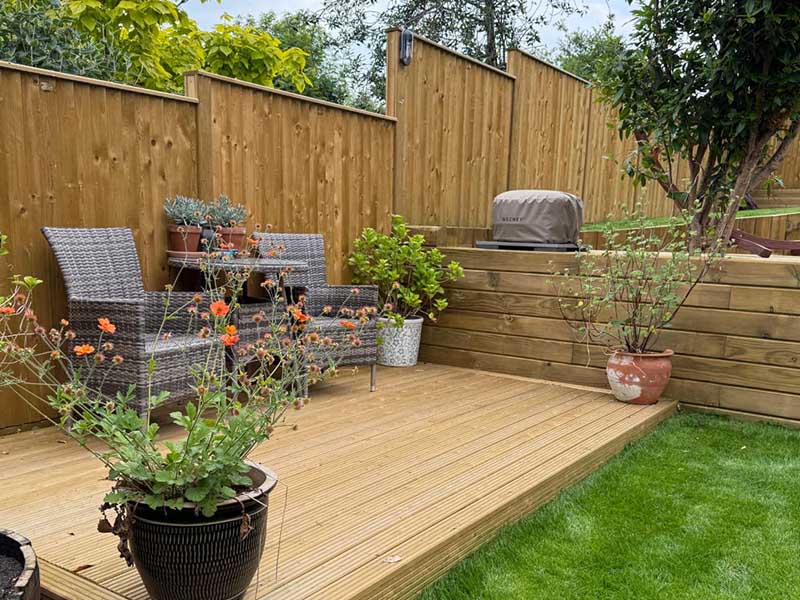
Heavy Duty Jakposts are 120mm x 124mm nominal section, planed finish with two 54mm x 25mm slots for fence panels, making them extremely strong. Designed for a range of uses, they are particularly well suited to solid fencing panels over 1520mm high (5ft), where additional strength is required to support increased weight and wind exposure.
They are commonly used alongside taller panels (1.52m and above), as well as trellis and railing toppers, and installations on sloped ground. These additions increase both the overall height and the load on the fence system, making a stronger post essential for long term stability. Heavy duty posts are also ideal where fences exceed 2.0m in height or where a more robust, premium finish is required for boundary or privacy fencing.
In many cases, the post is the most important structural component of a fence. Choosing a heavier specification ensures the entire system performs reliably over time, particularly in demanding environments.
When they may not be necessary
Heavy duty posts are not always required for every fencing project. For lower height panels, decorative garden boundaries, or sheltered locations, a standard slotted post can often provide sufficient performance. In these cases, opting for a heavier post may increase cost and handling effort without delivering a clear benefit.
The choice should be guided by factors such as fence height, exposure to wind, and the overall design. Matching the post to the demands of the installation helps create a balanced and cost-effective solution.
Structural strength and performance
Why thickness matters
The increased thickness of a heavy duty post plays a key role in its performance. A larger timber section provides greater resistance to bending forces, which are more pronounced in taller fencing. As panels increase in height, they create more surface area for wind pressure, placing additional strain on the supporting posts.
Heavier posts are better equipped to absorb and distribute this load, reducing the risk of leaning, movement, or long term failure. The added density of the timber also contributes to overall durability, creating a stronger and more reliable structure.
This makes heavy duty posts particularly suitable for installations where strength and longevity are priorities, such as boundary fencing or exposed garden perimeters.
Deeper installation and stability
Heavy duty posts are available in longer lengths than standard options, starting at 2.7m. This allows them to be set deeper into the ground, improving anchorage and overall stability.
A deeper set post provides stronger resistance against overturning forces caused by wind or uneven loading. This is especially important for taller fences, where leverage forces are greater. The combination of increased length and thicker section helps ensure the fence remains upright and secure over time.
Greater stability at ground level often determines how well a fence performs throughout its lifespan, making post specification an important consideration in any installation.
Ideal conditions for heavy duty posts
Slopes and stepped fencing
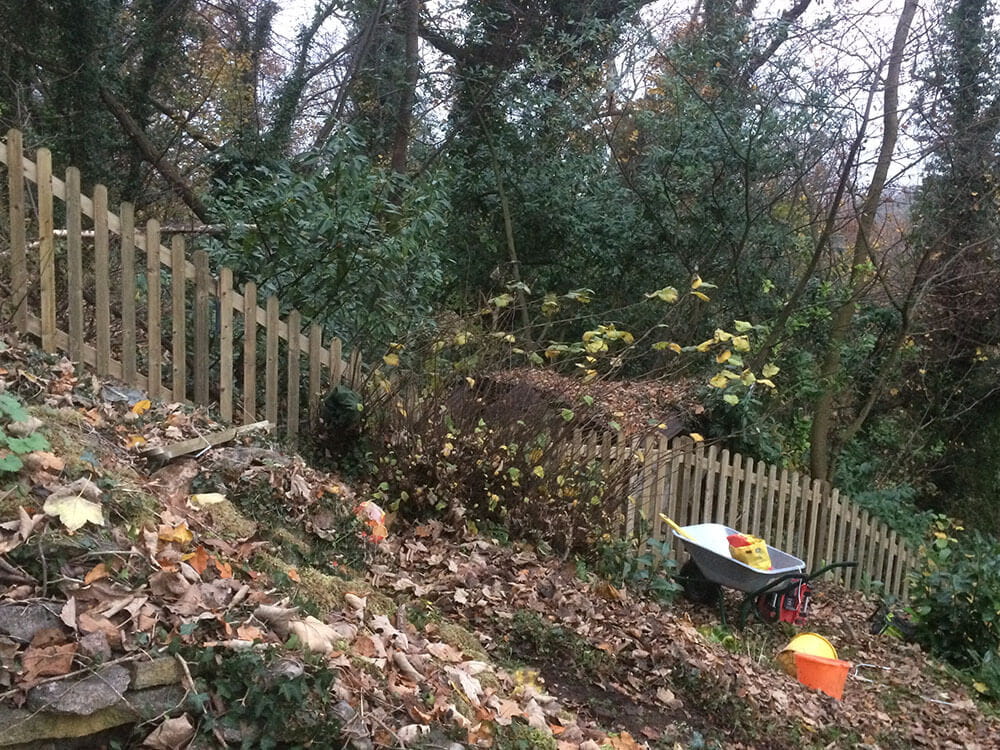
Fencing installed on sloped or uneven ground places additional strain on posts due to changes in panel height and positioning. In stepped fencing layouts, panels are offset, creating uneven load distribution along the fence line.
Heavy duty posts provide the strength needed to manage these variations, helping maintain alignment and prevent movement. Their longer lengths also allow for deeper installation, which is particularly beneficial on sloping ground where stability can be more difficult to achieve.
Using a stronger post in these situations helps ensure a consistent appearance and reliable performance across the full run of the fence.
High wind and exposed areas
In exposed locations, such as coastal areas, open countryside, or elevated gardens, fences are subject to increased wind pressure. Taller, solid panels create a larger surface area, which increases the force exerted on each post.
Heavy duty posts are designed to withstand these conditions. Their increased thickness and strength make them less susceptible to movement or failure, even in challenging weather. This helps reduce the risk of damage during storms and improves the overall resilience of the fencing system.
For properties in high wind areas, upgrading to a heavy duty post can make a significant difference to long term performance and reliability.
Benefits of heavy duty wooden posts
Durability and treatment
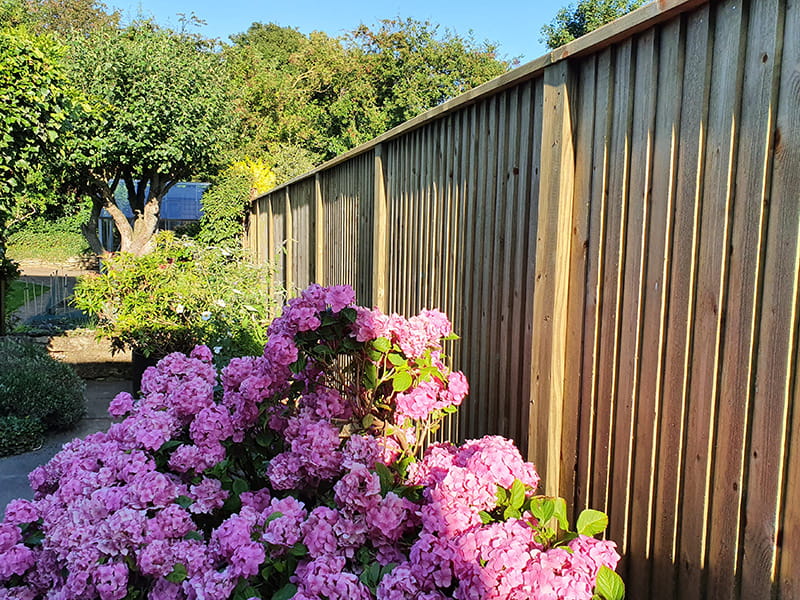
A heavy duty slotted wooden fence post is designed to deliver long lasting performance when properly treated. Our posts are kiln dried to reduce moisture content before being pressure treated with our unique Jakcure® preservative that penetrates deep into the timber. This process forms a permanent barrier against rot and insect attack while enhancing strength.
We also carefully select timber species to ensure optimal treatment absorption, minimising heartwood content and maximising durability. This results in a more consistent and reliable product that is built to withstand the demands of outdoor use.
The combination of material quality and treatment technology ensures the post remains structurally sound for many years, even in challenging conditions.
Easier installation than concrete
Timber posts offer a practical advantage over concrete in terms of handling and installation. Heavy duty wooden posts are significantly lighter, making them easier to manoeuvre, position and install on site.
In contrast, concrete posts can exceed 40kg in weight, often requiring more than one person to lift safely. This can increase both installation time and effort. Lighter timber posts reduce manual handling strain and make the installation process more efficient.
The reduced weight also makes transportation easier and more cost effective, particularly when moving multiple posts from a supplier to site.
Environmental advantages
Timber is a renewable material and, when sourced responsibly, has a lower environmental impact than concrete alternatives. The production of concrete is energy intensive, whereas timber stores carbon throughout its lifecycle, contributing to a more sustainable solution.
The long lifespan of pressure treated heavy duty posts further enhances their environmental credentials. By reducing the need for frequent replacement, they help minimise material use and waste over time.
In addition, timber posts do not suffer from cracking, chipping or frost damage in the same way as concrete, maintaining their appearance and performance throughout their lifespan.
Read more in our guide to timber vs concrete fence posts.
Are heavy duty fence posts right for your project?
Heavy duty posts are an excellent choice for taller, heavier, or more exposed fencing projects where strength and reliability are essential. They provide greater structural performance, improved stability, and enhanced durability compared to standard options.
They are particularly well suited to sloped gardens, high wind areas and boundary fencing where long term performance matters. However, for smaller or sheltered installations, a standard post may be sufficient.
Choosing the right post comes down to understanding the demands of your project. Where additional strength and longevity are required, a heavy duty post offers a dependable and practical solution.
Related content
You may be interested in how to achieve a 6ft fence with a trellis top:
How to achieve a 6ft fence with a trellis top
Discover why some wooden gravel boards rot, how modern pressure treated timber can outperform concrete, and what to look for to ensure long lasting fence protection.